Published : 2025-08-12
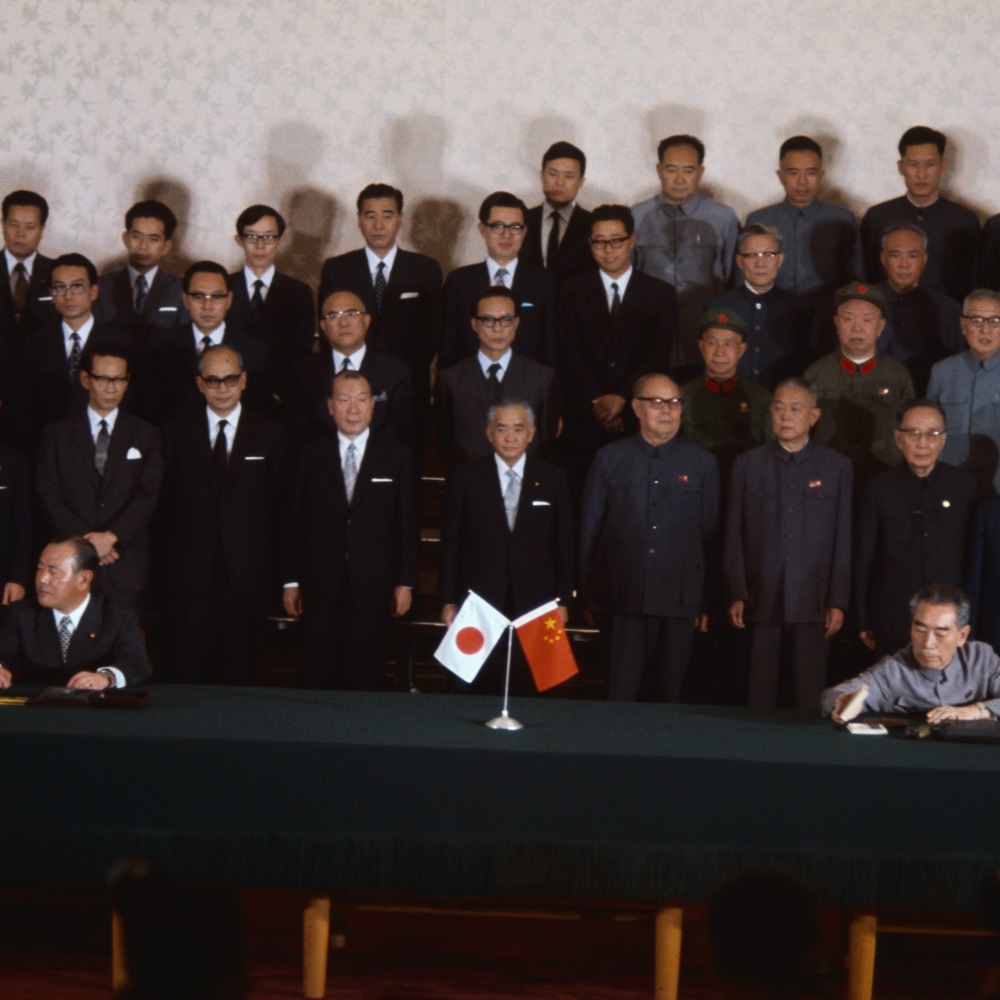
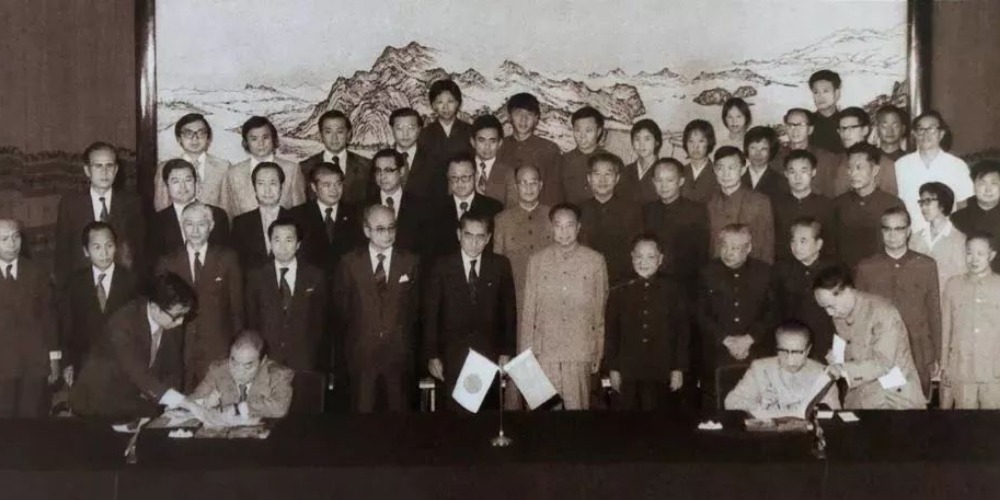
On August 12, 1978, the "Sino-Japanese Treaty of Peace and Friendship" was signed in Beijing and took effect from October 23 of the same year.
In 1972, China and Japan resumed diplomatic relations. Thereafter, according to the provisions of the Joint Statement, the Chinese government made efforts to sign government agreements on trade, aviation, navigation, fisheries, and so on, to further develop the friendly relations between China and Japan.
The two sides signed three agreements on trade, aviation, and navigation in 1974, and then a fisheries agreement the following year.
These agreements fully reflected the spirit of the Joint Statement by both governments of China and Japan, opposing the "Two Chinas" or "One China, One Taiwan" stance, and expressing a desire to further develop friendly cooperative relations in various fields.
Starting in 1975, China and Japan held negotiations on signing a treaty of peace and friendship. In August 1978, the Foreign Ministers of the two countries signed the Sino-Japanese Treaty of Peace and Friendship in Beijing.
The treaty stipulates: the Contracting Parties shall develop durable relations of peace and friendship between the two countries on the basis of the Five Principles of Peaceful Co-Existence; the Contracting Parties affirm that in their mutual relations, all disputes shall be settled by peaceful means without resorting to the use or threat of force; and the Contracting Parties shall endeavour to further develop their economic and cultural cooperation and to promote exchanges between the people of the two countries.
The Contracting Parties also declared in the Treaty that neither of them should seek hegemony in the Asia-Pacific region or in any other regions and that each was opposed to efforts by any other country or group of countries to establish such hegemony. The Treaty also stipulates in explicit terms that "the present Treaty shall not affect the position of either Contracting Party regarding its relations with their countries".
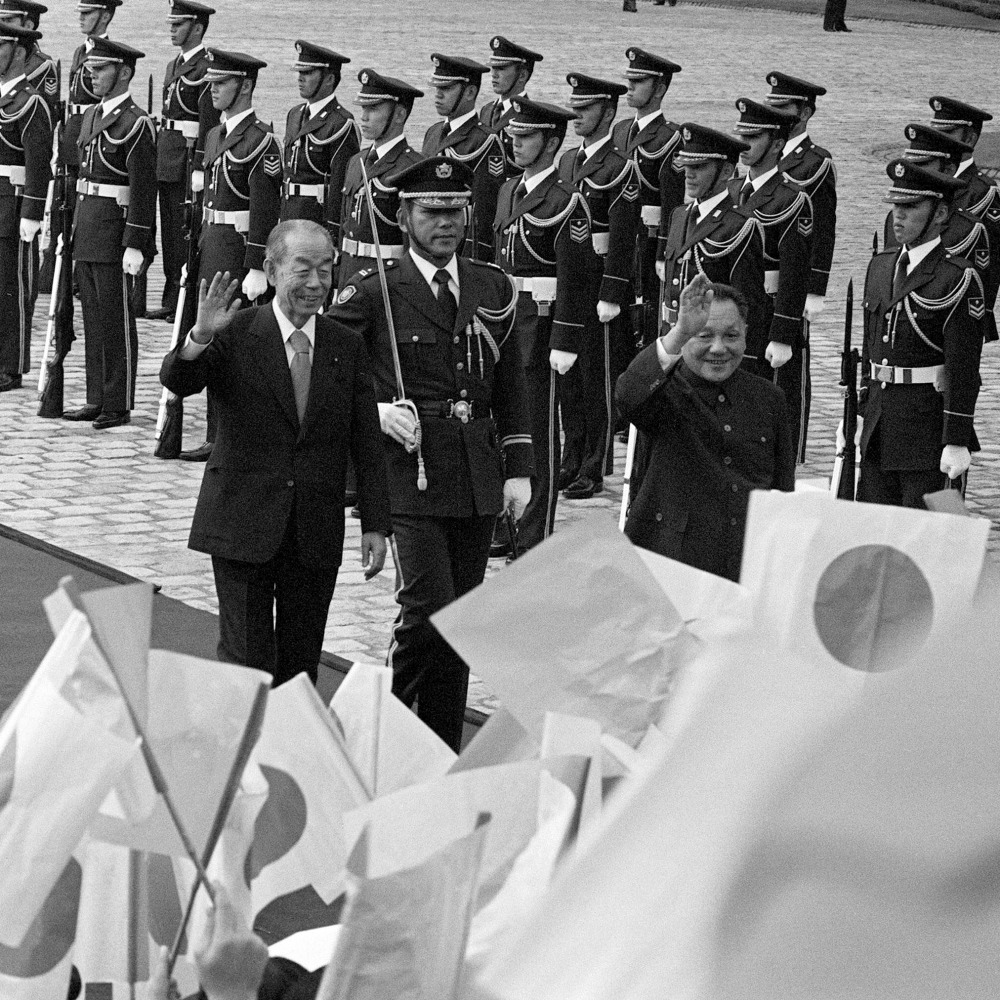
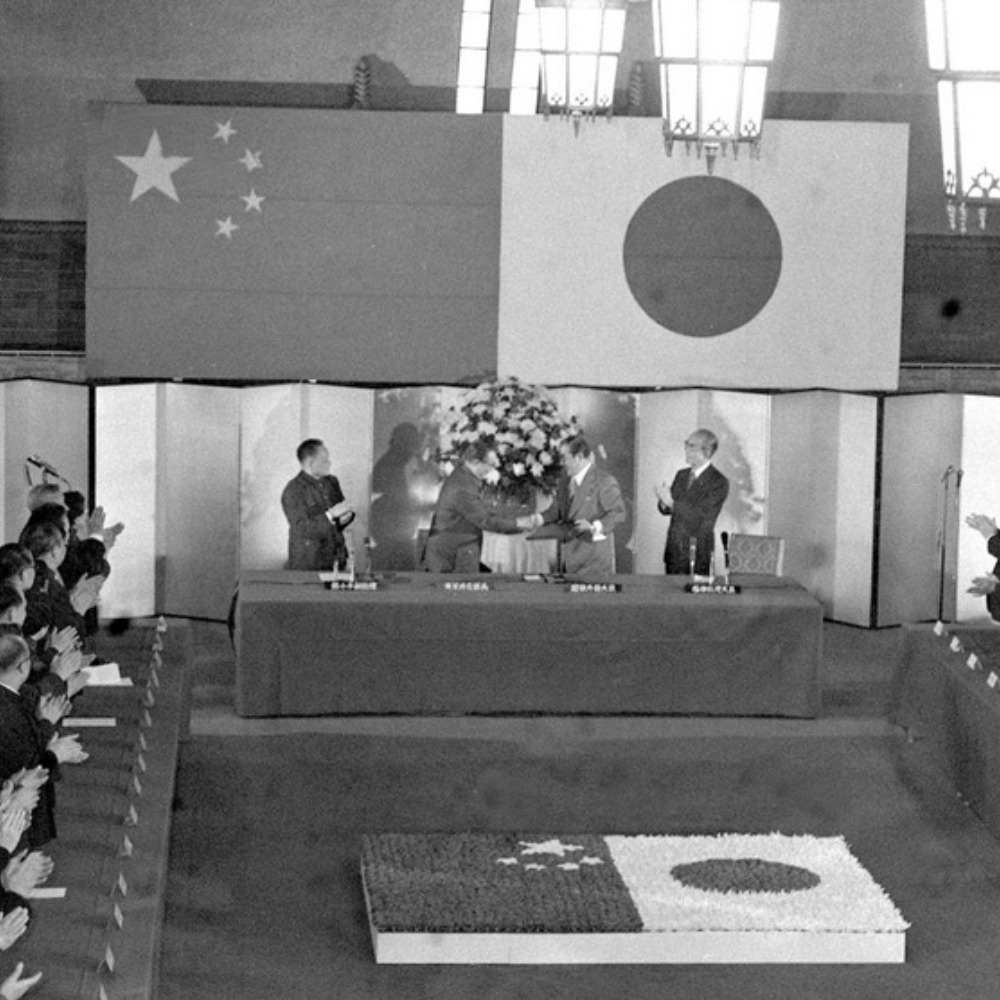
In October of the same year, Deng Xiaoping, who was then Vice Premier of the State Council of China, visited Japan at the invitation. The two countries exchanged the instruments of ratification of the Sino-Japanese Treaty of Peace and Friendship in Tokyo.
Deng Xiaoping attended the instrument exchange ceremony and told then Japanese Prime Minister Takeo Fukuda that the conclusion of the treaty further affirmed the friendly relations between the two countries politically. In this turbulent situation, China needs to be friendly with Japan, and Japan also needs to be friendly with China.
He also pointed out that the Sino-Japanese Treaty of Peace and Friendship was a continuation and development of the 1972 Joint Statement by the governments of China and Japan and the normalisation of diplomatic relations between China and Japan. It laid a more solid foundation for the friendly relations between the two countries and opened up broader prospects for further development of exchanges in the political, economic, cultural, technological, and other fields; it will also have a positive impact on maintaining peace and security in the Asia-Pacific region.